Obsidian isn't just another note-taking app—it's a blank canvas that adapts to your workflow. While its core features let you write, link, and visualize notes, the real magic lies in its plugin marketplace. Once I discovered these six plugins, I stopped looking elsewhere for note-taking solutions. Here's how they transformed my experience.
What makes Obsidian's plugin system so powerful?
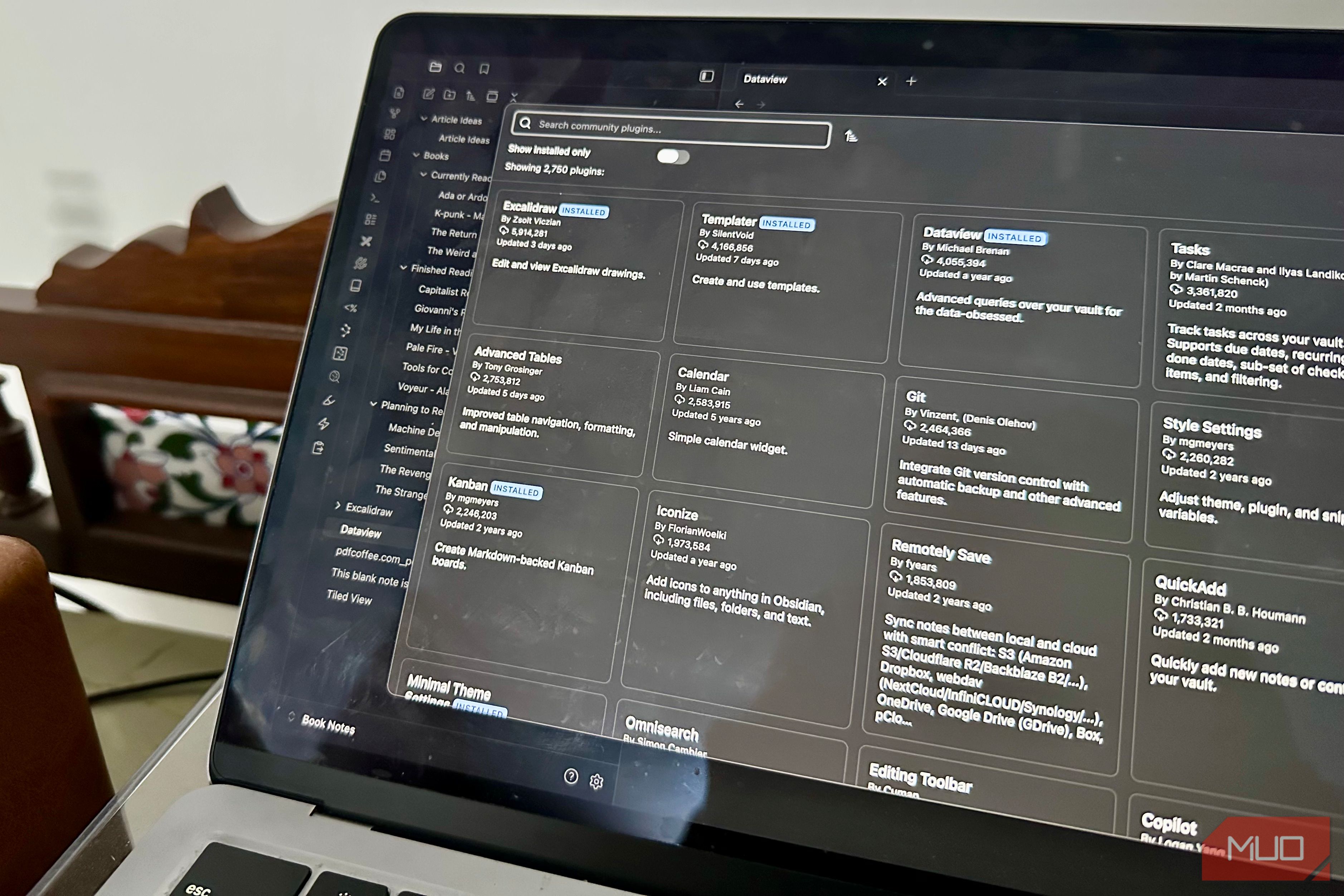
Obsidian's plugin system is built on a philosophy of modularity and community-driven development. Instead of bloating the app with every possible feature, Obsidian provides a lean core and allows users to install only what they need. Plugins are open-source and cover everything from advanced querying (like Dataview) to visual thinking (like Excalidraw). The plugin API is well-documented, so even non-developers can customize their experience. This approach means your note-taking environment evolves with you—whether you're a student, a writer, or a project manager. The result is a tool that never feels restrictive, and you're never forced into a rigid structure.
How does the Dataview plugin transform note management?
Dataview turns your Obsidian vault into a live database. Instead of manually organizing notes into folders, you write metadata as YAML frontmatter (like status: to-do or date: 2025-04-04). Then, with a simple query, you can create dynamic lists, tables, or calendars that update automatically. For example, I can pull every task tagged with #project and a deadline within the next week and display it as a personal dashboard. Dataview eliminates the need for complex folder hierarchies; your notes become queryable objects. This flexibility is why I never feel the need to switch to a database-style app—Obsidian with Dataview already handles it.
Why is Templater essential for efficient note-taking?
Templater eliminates repetitive typing by letting you define templates for common note types—daily journals, meeting minutes, book reviews, and more. Unlike Obsidian's built-in templates, Templater supports dynamic content: it can insert the current date, prompt you for input, or even run JavaScript to generate custom data. For instance, I have a template that automatically creates a new daily note with a weather summary and my habit tracker. Templater also integrates with other plugins; I can combine it with Quick Add to create notes with one click. This automation saved me at least an hour each week and convinced me that Obsidian's extensibility is unmatched.
How does the Kanban plugin enhance project management?
Kanban turns any note into a visual board with columns for To Do, In Progress, and Done. It's perfect for managing tasks without leaving your vault. You can add cards that link to other notes, set due dates, and even include checklists. The best part: the board is just a Markdown file, so it syncs with other tools like Dataview and Templater. I use it to track writing projects, home renovations, and even meal planning. Kanban's simplicity means I never need to open Trello or Notion. Obsidian becomes my single source of truth for both notes and projects.
What role does the Calendar plugin play in daily journaling?
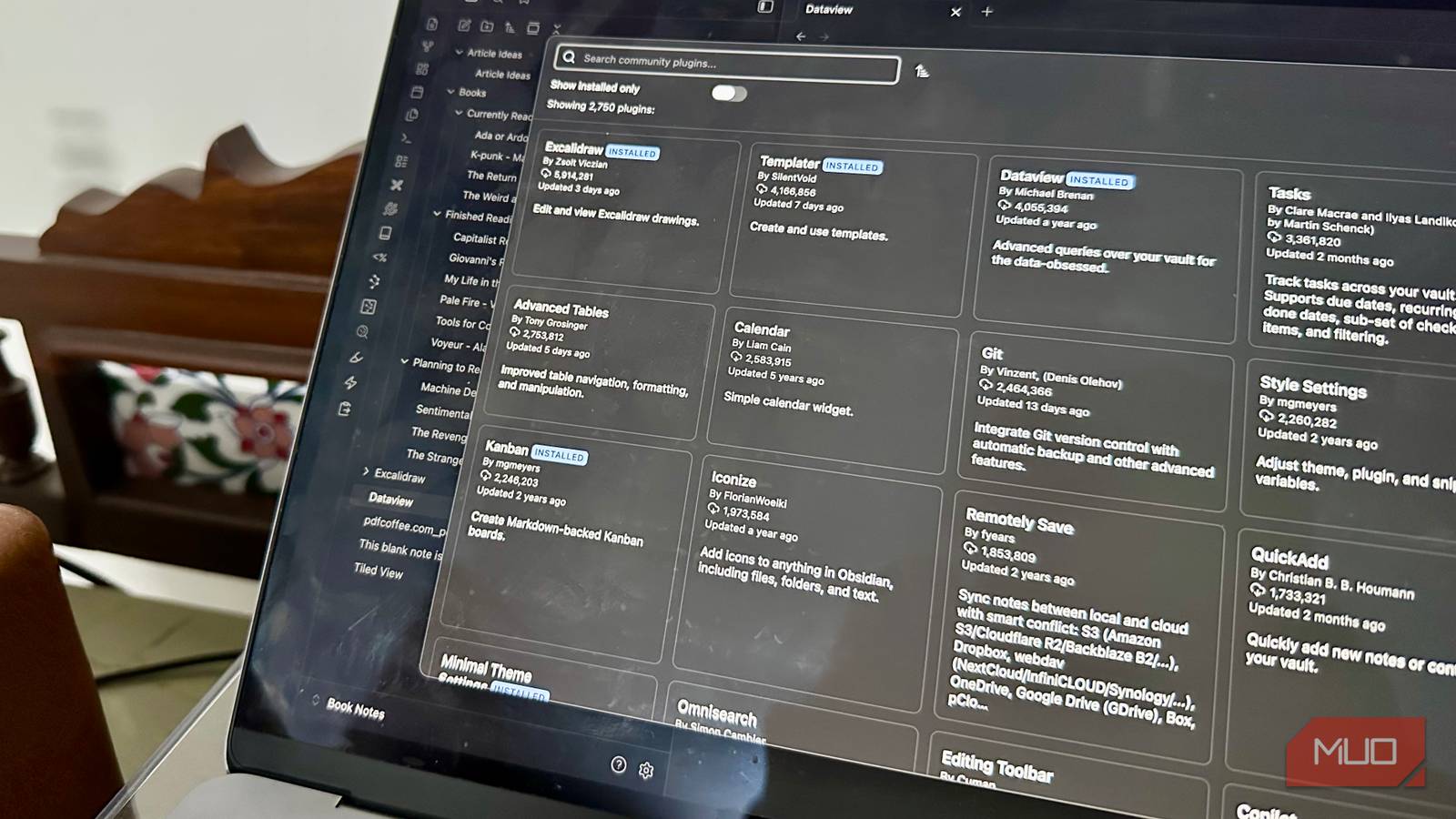
Calendar adds a sidebar view showing a monthly calendar with dots indicating which days have notes. Clicking a date opens or creates that day's note (if you use a daily notes plugin). For journaling, this is a game-changer. I quickly see when I last wrote and can jump to any past entry. Combined with Templater, my daily note is prefilled with prompts like “What went well?” and “What am I grateful for?”. The visual calendar eliminates the friction of navigating folders or tags. It's a tiny plugin, but it makes consistent journaling effortless—a habit I never managed in other apps.
How does Excalidraw integrate visual thinking?
Excalidraw brings hand-drawn diagrams, flowcharts, and wireframes directly into your notes. You can sketch ideas, draw mind maps, or annotate images—all without leaving Obsidian. The plugin stores drawings as Markdown files (SVG or embedded), so they remain searchable and linkable. I use it to map complex concepts, create architecture diagrams, and even draft UI mockups. Excalidraw supports infinite canvas, custom shapes, and a library of icons. It solves a major gap in text-based tools: the ability to think visually. Now I never need a separate whiteboard app.
What does Quick Add bring to rapid note capture?
Quick Add allows you to create notes without navigating menus. You set up customizable “captures” that can, for example, add a line to your daily note, create a new note from a template, or log a bookmark. With a hotkey or mobile shortcut, I can capture an idea in seconds. Quick Add also integrates with Templater and Dataview, so the captured data is automatically structured. For example, I have a capture that adds a task to a specific Kanban board. This frictionless entry is why Obsidian replaced my quick-capture apps like Apple Notes or Google Keep. Quick Add proves that extensibility can coexist with simplicity.