Meta's AI Agents Slash Energy Waste at Hyperscale, Recovering Hundreds of Megawatts
San Francisco, CA — Meta has unveiled a sweeping new artificial intelligence platform that automates the detection and repair of performance inefficiencies across its global infrastructure, recovering hundreds of megawatts of power and cutting investigation times from hours to minutes. The system, described as a “self-sustaining efficiency engine,” represents a major leap in hyperscale data center management.
“We’ve packed years of hard-won engineering expertise into reusable, composable AI agents,” said a Meta spokesperson. “These agents now handle both finding and fixing performance issues, freeing our engineers to focus on innovation rather than firefighting.”
The announcement comes as Meta serves more than 3 billion users globally, where even a 0.1% regression can translate into significant added energy consumption.
Background: The Two Frontiers of Efficiency
Meta’s Capacity Efficiency Program operates on two fronts: offense (proactively seeking optimizations) and defense (catching regressions that slip into production). Historically, both sides required extensive manual engineering time, creating a bottleneck as the company scaled.
On offense, engineers manually combed code for energy-saving opportunities and submitted patches. On defense, Meta’s internal regression detection tool, FBDetect, flagged thousands of regressions weekly, but each required hours of investigation to root-cause and fix.
“The volume of opportunities and regressions simply outpaced our ability to address them manually,” the spokesperson explained. “AI was the only path to keep scaling efficiency without multiplying headcount.”
The Unified AI Agent Platform
Meta built a unified platform that encodes the domain knowledge of senior efficiency engineers into standardized, composable AI skills. These agents automatically investigate issues and, in many cases, generate ready-to-review pull requests.
The results are stark: a process that once took roughly 10 hours of manual work now takes about 30 minutes with AI assistance. The automation has recovered “hundreds of megawatts” of power—enough to supply hundreds of thousands of American homes for a year.
What This Means for Hyperscale Efficiency
The immediate benefit is energy savings, but the deeper impact is scalability. Meta’s capacity efficiency team can now deliver increasing megawatt recoveries across more product areas without proportionally growing the team. The AI agents handle the “long tail” of small but cumulative optimizations that would otherwise go untapped.
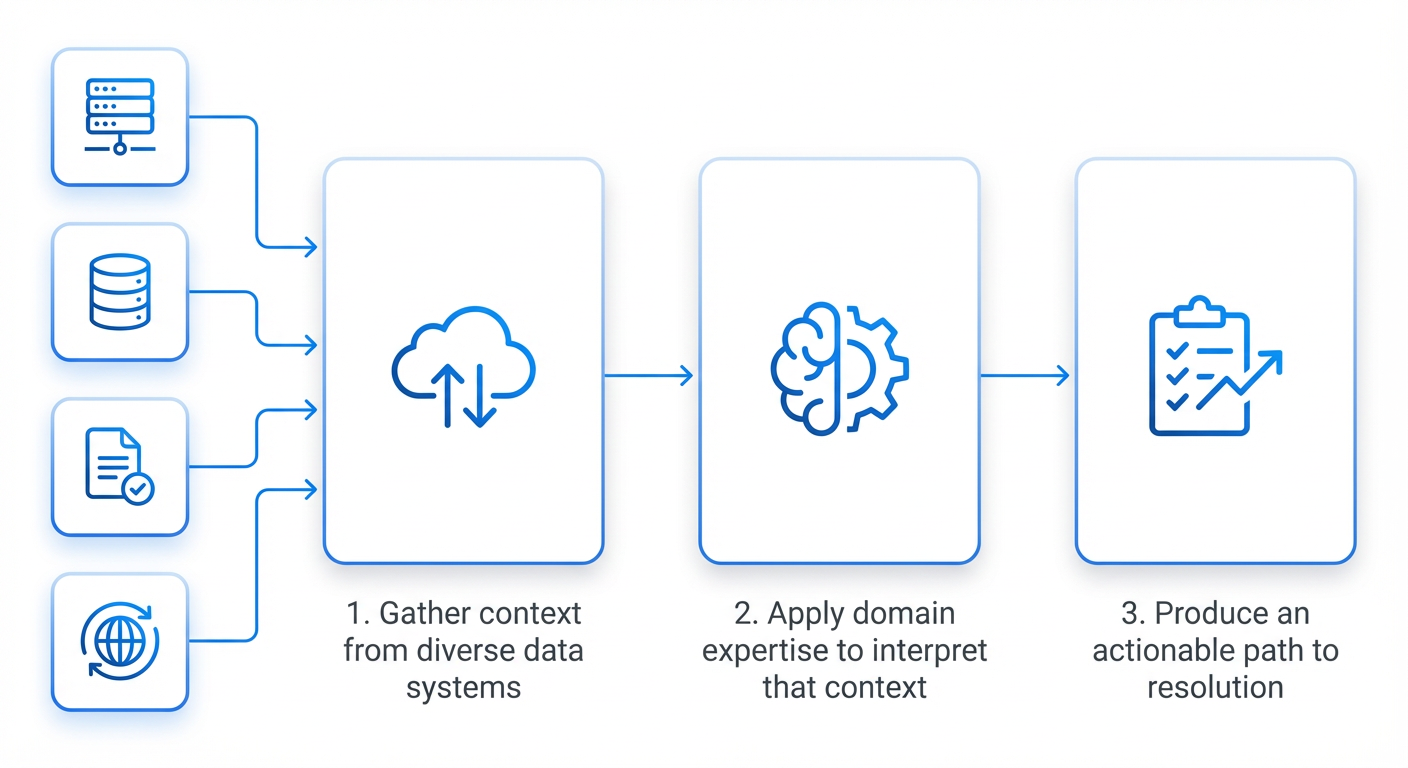
“This shifts efficiency from a human-driven, one-off effort to a continuously running, AI-driven process,” said the Meta spokesperson. “Our goal is a self-sustaining engine that finds and fixes waste automatically.”
Industry analysts see this as a model for other hyperscale operators. “Meta is demonstrating that AI can be effectively used to optimize its own infrastructure,” said Dr. Lena Park, a data center efficiency researcher at Stanford University. “The energy and labor savings are substantial, and the approach could be replicated across the tech sector.”
How It Works: Offense and Defense
- Defense: FBDetect catches regressions weekly, and AI agents automatically investigate and produce fixes, minimizing wasted power that compounds across the fleet.
- Offense: AI-assisted opportunity resolution expands to new product areas each half, handling a growing volume of proactive optimizations that engineers wouldn’t reach manually.
Looking Ahead
Meta plans to extend the platform to more areas of its infrastructure and increase the autonomy of the agents. The company expects the self-sustaining model to become a core component of its sustainability strategy.
“Every megawatt saved is a win for both our operational efficiency and the environment,” the spokesperson concluded. “And with AI, we’re just getting started.”